


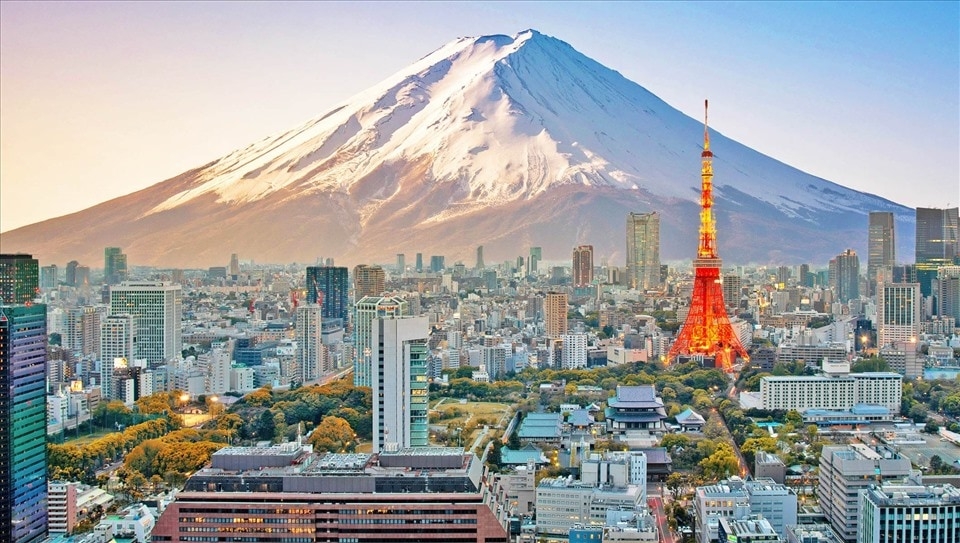
 Time:
Time:  Depart:
  Vehicle:
 Itinerary
- (08:30 – 10:00) Asakusa – Senso-ji Temple
- (10:30 – 11:45) Meiji Shrine (Meiji Jingu)
- (12:30 – 13:30) Imperial Palace East Gardens
- (14:30 – 15:45) Ueno Park & Ueno Temple Area
- (16:30 – 17:30) Tokyo Tower / Tokyo Skytree
- (18:30 – 19:30) Shibuya
Asakusa – Senso-ji Temple

Senso-ji Temple is the oldest and most significant Buddhist temple in Tokyo. Visiting in the morning allows travelers to experience a calm atmosphere while observing traditional rituals and classic Japanese temple architecture. The surrounding area preserves the spirit of old Edo-era Tokyo.
Meiji Shrine (Meiji Jingu)
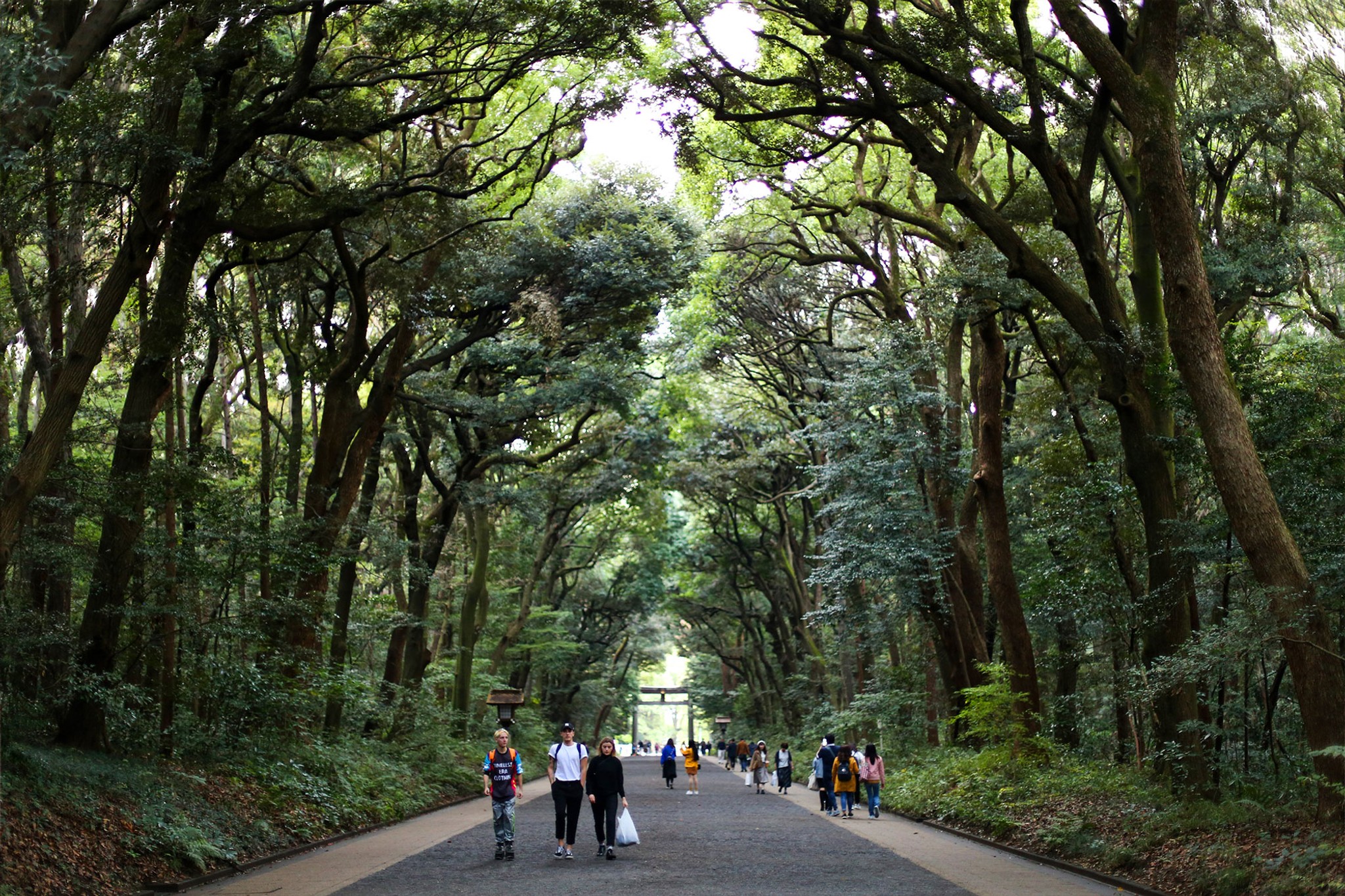

Meiji Shrine is a major Shinto shrine dedicated to Emperor Meiji and Empress Shoken. Located within a vast forest in central Tokyo, the shrine offers a peaceful daytime environment, ideal for learning about Shinto beliefs, rituals, and Japanese spiritual life.
Imperial Palace East Gardens
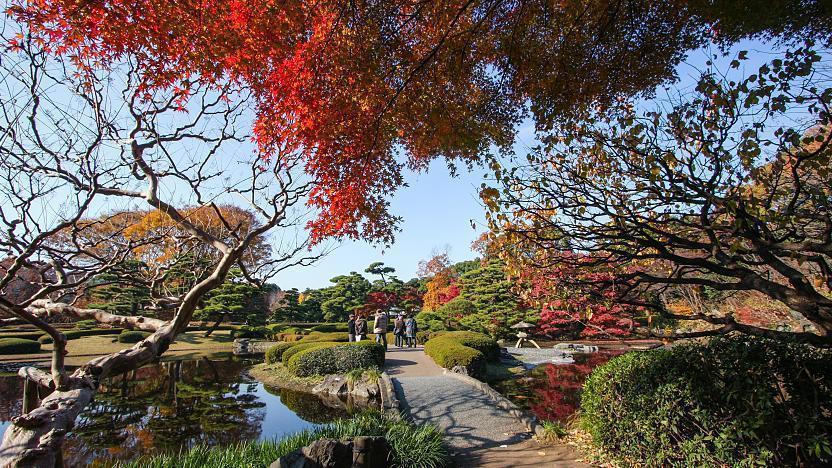

The Imperial Palace East Gardens are built on the former site of Edo Castle. Visitors can walk through stone walls, moats, and landscaped gardens while gaining insight into Japan’s feudal history and traditional landscape design.
Ueno Park & Ueno Temple Area
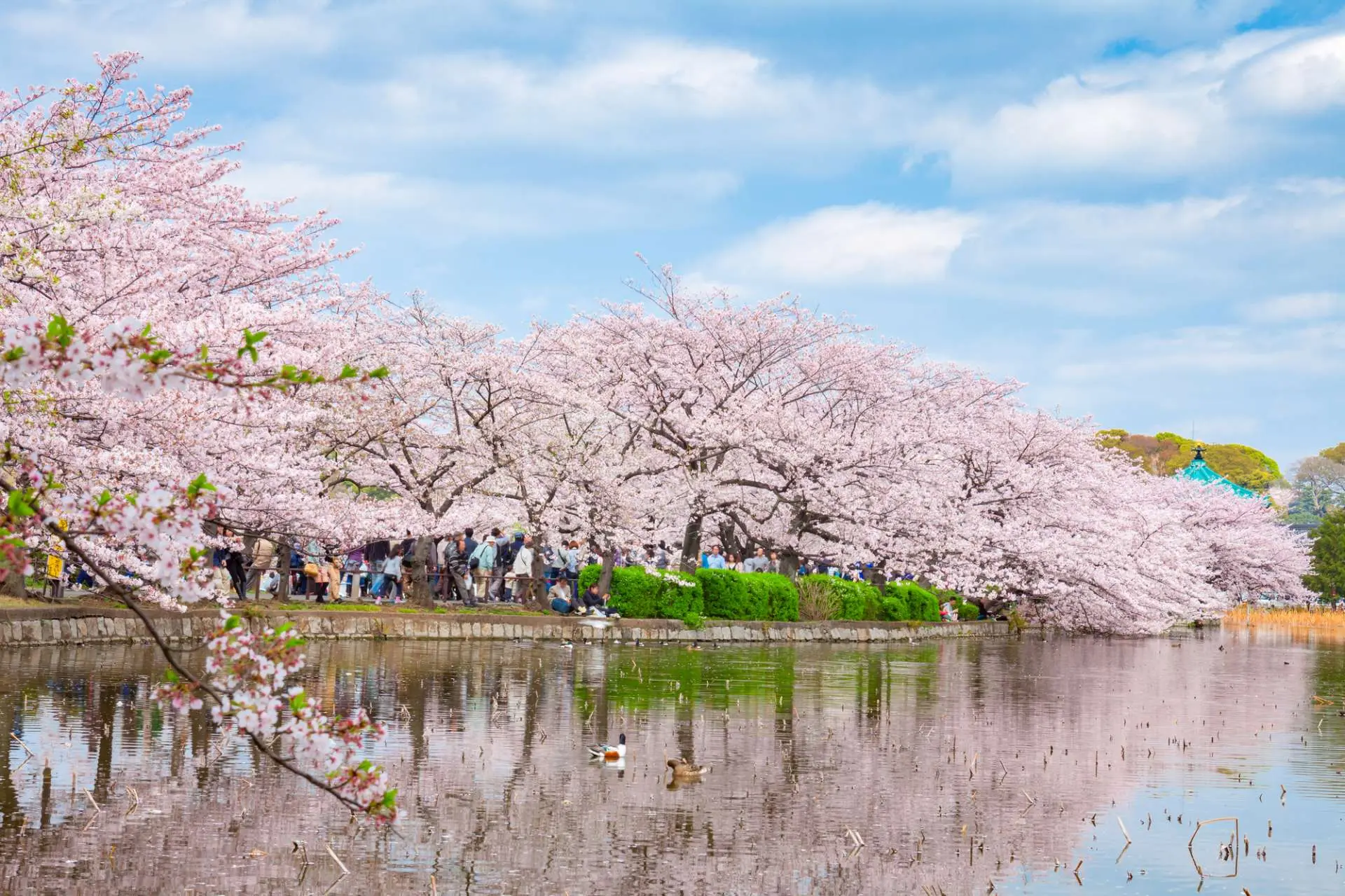
Ueno Park is one of Tokyo’s largest and oldest public parks, closely connected to local daily life. The area includes historic temples such as Kanei-ji and offers open green spaces, making it suitable for walking, relaxation, and observing the relationship between nature, religion, and urban life.
Tokyo Tower / Tokyo Skytree
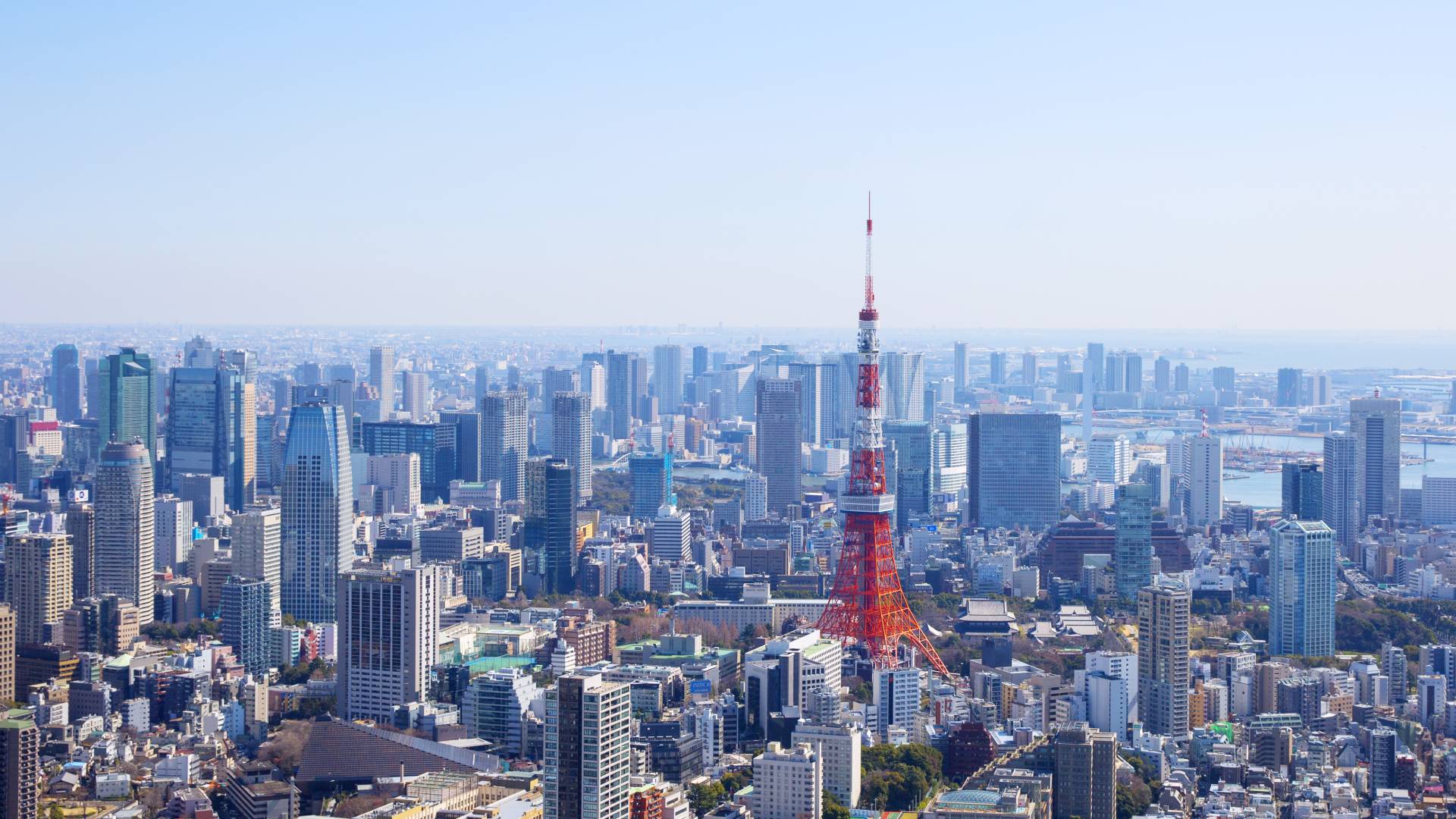
Tokyo Tower and Tokyo Skytree are iconic landmarks of the city. Afternoon visits provide clear daylight views of Tokyo’s vast urban landscape, helping visitors understand the city’s scale, structure, and modern development.
Shibuya
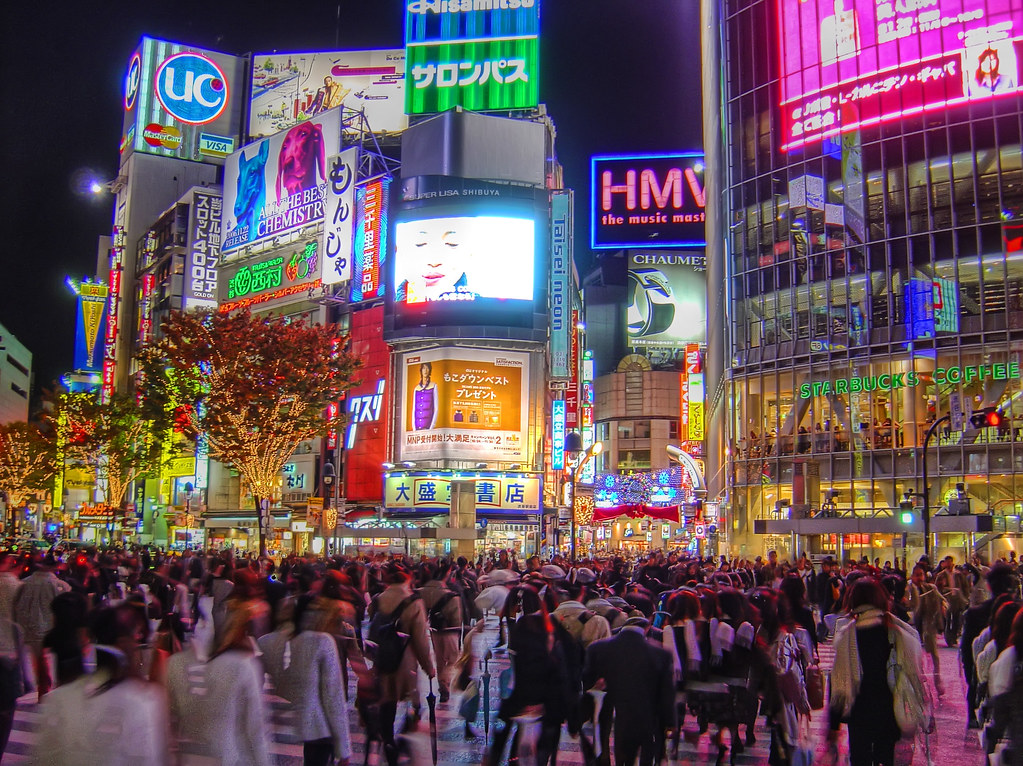
At night, Shibuya best represents Tokyo’s modern and dynamic character. The illuminated Shibuya Crossing, filled with streams of pedestrians, is a global symbol of urban life. Nearby, the Hachiko Statue highlights the cultural value of loyalty, which holds a special place in Japanese society.


Tour information
Tokyo One-Day Sightseeing Tour – Daytime Exploration & Night View in Shibuya


Sign up for consultation
Contact us
PBJP TRADING & TOURISM SERVICES COMPANY LIMITED
- Address:Office 26, 26th Floor, Song Da Building, No. 110 Tran Phu Street, Ha Dong, Hanoi
- Phone : +84 393 250 295
- Website : pbjptravel.com
Connect with PBJP TRAVEL